

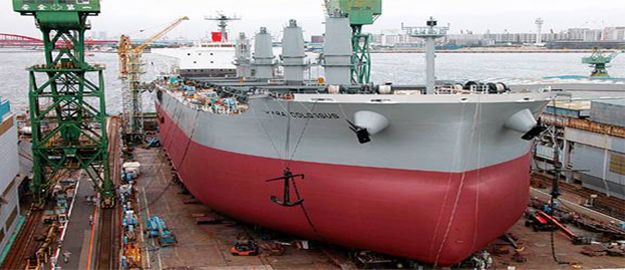
- EN 10067 Grade A Bulb Flat steel
- What is a bulb plate for shipbuilding?
- Bulb Flats for Shipbuilding and Construction Industry
- Flat bulb steel dimensions
- Flat bulb steel supplier
- NK DH36 bulb flat shipbuilding steel, NK D36 bulb flat shipbuilding steel
- RINA EH32 bulb flat shipbuilding steel, RINA E32 bulb flat shipbuilding steel
- RINA EH36 bulb flat shipbuilding steel, RINA E36 bulb flat shipbuilding steel
- RINA E bulb flat shipbuilding steel
- RINA DH32 bulb flat shipbuilding steel, RINA D32 bulb flat shipbuilding steel
- RINA DH36 bulb flat shipbuilding steel, RINA D36 bulb flat shipbuilding steel
- RINA D bulb flat shipbuilding steel
- RINA B bulb falt shipbuilding steel
- RINA bulb flat shipbuilding steel
- What is the difference between channel and angle steel?
- What is the standard size of a steel angle?
- A36 hot roll steel angle
- RINA Grade ABDE Marine Steel Plate
- ABS Grade A Shipbuilding Steel Angle Bar
- What is angle steel used for?
- What type of steel is used in angle bars?
- What are bulb flats used for?
- S235JR Shipbuilding Angle steel Dimensions
- A572 hot rolled angle steel with equal or unequal legs
- SS490 galvanized structural carbon angle steel under JIS3101 standard
- hot-dipped galvanized St 37-2 angle steel with unequal legs
- ASTM designation A36 angle steel applications
- ASTM A36 Hot-dip galvanized steel angle bar for corrosive environments
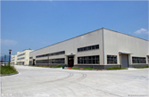 Henan BEBON international co.,ltd located in zhengzhou ,henan province of china. Since it was established in 2008, Henan BEBON has earned an outstanding reputation for its professional exporting shipbuilding steel.About the products,we mainly specialized in steel products for shipbuilding which have been approved by some authoritative classification societies,likeLR,BV,ABS,DNV,GL and so on . Besides, we have three big warehouses--Zhengzhou,Tianjin and shanghai.
A537 Class 2 steel is a high-strength pressure vessel steel with low carbon, high sulfur and low phosphorus content. It is commonly used to manufacture high temperature and high pressure pressure vessels and reactors for cryogenic service conditions. A537 Class 2 steel has good low-temperature toughness and corrosion resistance and is suitable for the manufacturing of various chemical, oil and gas processing equipment, as well as reactor vessels for nuclear power plants and other fields. This steel usually needs to be normalized and aged to improve its strength and toughness to ensure safe operation of equipment under extreme working conditions. A537 Class 2 is a hot-rolled carbon steel plate, similar to A537 Class 1, and is also used to manufacture equipment such as high-temperature and high-pressure pressure vessels and reactors. Compared to A537 Class 1, A537 Class 2 steel generally has higher strength and tensile strength, as well as better heat and pressure resistance.
A537 Class 2 steel is a material that was developed in the late 20th century. The exact date of invention may vary depending on relevant information and records. However, this type of steel was usually developed and applied between the 1970s and 1980s, as the demand for high-temperature and high-pressure pressure vessels and reactor materials increased and the steel industry continued to improve material properties. . A537 Class 2 steel has become an important material since its birth and is widely used in the manufacture of high-temperature and high-pressure equipment in various industrial fields.
A537 Class 2 steel is a pressure vessel steel with high strength, good toughness and excellent corrosion resistance. Its high strength and good toughness enable it to withstand high-pressure loads and mechanical stress under extreme working conditions, ensuring the safe operation of equipment. In addition, A537 Class 2 steel has good corrosion resistance and can resist erosion from the atmosphere, water and chemical media, extending the service life of the equipment. Its adaptability to low-temperature environments enables it to maintain strength and plasticity under low-temperature service conditions, ensuring the stability of the equipment. Due to its excellent performance and wide range of applications, A537 Class 2 steel plays an important role in the industrial field, providing reliable structural materials for various engineering projects.
A537 Class 2 steel has a wide range of applications in industry. First of all, A537 Class 2 steel is often used to manufacture various types of high-temperature and high-pressure pressure vessels, such as chemical reactors, petrochemical equipment, natural gas processing equipment, etc. These pressure vessels usually need to withstand extreme working conditions and require materials with good heat resistance, high strength and good corrosion resistance. A537 Class 2 steel has these characteristics and is therefore widely used in this field. Secondly, A537 Class 2 steel is also often used in the nuclear power industry to manufacture equipment such as nuclear power reactor vessels and pressure vessels. Nuclear power equipment has extremely strict requirements on materials, which require good high-temperature and high-pressure performance, low-temperature toughness and corrosion resistance. A537 Class 2 steel can meet these requirements and is therefore widely used in the manufacturing of nuclear power equipment. In addition, A537 Class 2 steel is also commonly used to manufacture other types of pressure vessels and storage tanks, such as crude oil storage tanks, natural gas storage tanks, chemical storage tanks, etc. These equipment usually work under various environmental conditions and require materials with good mechanical properties and corrosion resistance. A537 Class 2 steel can meet these requirements, so it is also widely used in the storage and transportation fields.
Whether A537 Class 2 steel will be replaced in the future depends on a variety of factors, including developments in materials technology, changes in engineering needs and the evolution of environmental regulations. Although A537 Class 2 steel is currently widely used in manufacturing high-temperature and high-pressure equipment and pressure vessels, with the advancement of science and technology and changes in industrial needs, some alternative materials or new materials may emerge. In the future, A537 Class 2 steel may face some potential alternative materials, such as new high-strength alloy steel, heat-resistant and corrosion-resistant stainless steel, nickel-based alloys, etc. These materials may have higher strength, better corrosion resistance, lower density and other advantages, and can meet the higher requirements for material performance and environmental friendliness of future engineering projects. In addition, with the improvement of environmental awareness and the strengthening of environmental regulations, more environmentally friendly materials may be used in the future, such as renewable materials, composite materials, etc. These materials may have lower carbon emissions and environmental pollution and better meet the requirements of sustainable development. Still, completely replacing A537 Class 2 steel may not be easy in the short term. Because A537 Class 2 steel has mature applications and a wide range of markets in the industrial field, its performance is stable, the process is mature, and the cost is relatively low, it is still of great significance for some specific engineering projects. Therefore, A537 Class 2 steel may face competition from some alternative materials in the future, but it will still maintain a certain market position in specific fields until the technology and application of new materials are further developed and promoted.