

- EN 10067 Grade A Bulb Flat steel
- What is a bulb plate for shipbuilding?
- Bulb Flats for Shipbuilding and Construction Industry
- Flat bulb steel dimensions
- Flat bulb steel supplier
- NK DH36 bulb flat shipbuilding steel, NK D36 bulb flat shipbuilding steel
- RINA EH32 bulb flat shipbuilding steel, RINA E32 bulb flat shipbuilding steel
- RINA EH36 bulb flat shipbuilding steel, RINA E36 bulb flat shipbuilding steel
- RINA E bulb flat shipbuilding steel
- RINA DH32 bulb flat shipbuilding steel, RINA D32 bulb flat shipbuilding steel
- RINA DH36 bulb flat shipbuilding steel, RINA D36 bulb flat shipbuilding steel
- RINA D bulb flat shipbuilding steel
- RINA B bulb falt shipbuilding steel
- RINA bulb flat shipbuilding steel
- What is the difference between channel and angle steel?
- What is the standard size of a steel angle?
- A36 hot roll steel angle
- RINA Grade ABDE Marine Steel Plate
- ABS Grade A Shipbuilding Steel Angle Bar
- What is angle steel used for?
- What type of steel is used in angle bars?
- What are bulb flats used for?
- S235JR Shipbuilding Angle steel Dimensions
- A572 hot rolled angle steel with equal or unequal legs
- SS490 galvanized structural carbon angle steel under JIS3101 standard
- hot-dipped galvanized St 37-2 angle steel with unequal legs
- ASTM designation A36 angle steel applications
- ASTM A36 Hot-dip galvanized steel angle bar for corrosive environments
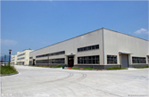 Henan BEBON international co.,ltd located in zhengzhou ,henan province of china. Since it was established in 2008, Henan BEBON has earned an outstanding reputation for its professional exporting shipbuilding steel.About the products,we mainly specialized in steel products for shipbuilding which have been approved by some authoritative classification societies,likeLR,BV,ABS,DNV,GL and so on . Besides, we have three big warehouses--Zhengzhou,Tianjin and shanghai.
Steel has long been the backbone of the automotive industry, providing strength, safety, and versatility to vehicles of all types. From the chassis to the body panels, steel plays a crucial role in ensuring the performance, durability, and safety of automobiles.
The use of steel in automobiles dates back to the early days of automotive manufacturing in the late 19th century. Henry Ford's introduction of the assembly line revolutionized car production, and steel became the material of choice for its affordability, availability, and mechanical properties. Over the years, advancements in metallurgy and manufacturing techniques have further enhanced the role of steel in the automotive industry, allowing for lighter, stronger, and more fuel-efficient vehicles.
Steel is prized for its exceptional strength and durability, making it an ideal material for critical automotive components such as chassis, frame rails, and suspension components. High-strength steel alloys provide the necessary structural integrity to withstand the rigors of everyday driving and ensure passenger safety in the event of collisions.Steel's ability to absorb and dissipate energy makes it an excellent material for automotive safety features such as crumple zones and impact-absorbing structures. Advanced high-strength steel (AHSS) alloys offer superior impact resistance, reducing the risk of injury to vehicle occupants in accidents.Steel's malleability allows for complex shapes and designs, making it suitable for a wide range of automotive components, including body panels, doors, and roof structures. Steel's versatility enables automakers to achieve desired aesthetics while maintaining structural integrity and performance.Corrosion resistance is critical for automotive components exposed to harsh environmental conditions, such as salt, moisture, and road debris. Steel can be treated with coatings or alloyed with corrosion-resistant elements such as chromium and zinc to enhance its longevity and protect against rust and corrosion.
Sheet metal forming processes, such as stamping, pressing, and deep drawing, are used to shape steel sheets into automotive body panels, hoods, fenders, and doors. These processes require precision tooling and machinery to achieve the desired dimensions and contours.Welding and joining techniques, including spot welding, arc welding, and laser welding, are used to assemble steel components into automotive structures such as chassis, frames, and subframes. These techniques ensure strong and reliable connections while maintaining structural integrity.Heat treatment processes, such as quenching and tempering, are employed to enhance the mechanical properties of steel components, including strength, hardness, and toughness. Heat-treated steel components exhibit improved performance and durability, particularly in high-stress applications.Surface coating and finishing processes, such as painting, powder coating, and electroplating, are applied to automotive steel components to enhance their appearance, protect against corrosion, and improve durability. These processes ensure that steel components meet aesthetic and performance requirements while withstanding environmental exposure.
Steel is the material of choice for automotive chassis and frame structures due to its high strength, stiffness, and impact resistance. These components provide the structural backbone of the vehicle, supporting the engine, drivetrain, suspension, and body panels.Steel is widely used in the construction of automotive body panels, including doors, hoods, fenders, and trunk lids. These panels provide protection from the elements, enhance aerodynamics, and contribute to the overall aesthetics of the vehicle.Steel plays a critical role in automotive safety components such as airbags, seatbelt anchors, and impact-absorbing structures. High-strength steel alloys are used to reinforce passenger compartments and absorb energy in the event of collisions, reducing the risk of injury to vehicle occupants.Steel is used in the construction of automotive suspension components such as control arms, springs, and struts. These components provide support, stability, and control to the vehicle's suspension system, ensuring smooth handling and ride comfort.Steel is utilized in the manufacturing of automotive powertrain and drivetrain components such as engine blocks, transmission housings, and axles. These components require high-strength materials to withstand the stresses and forces associated with engine power and vehicle propulsion.
Steel is highly recyclable, with a large percentage of automotive steel being recycled at the end of the vehicle's life cycle. Recycling steel reduces the demand for virgin resources and minimizes waste, making automotive manufacturing more sustainable and environmentally friendly.
Advanced high-strength steel (AHSS) alloys enable automakers to reduce vehicle weight while maintaining structural integrity and safety. Lightweighting improves fuel efficiency and reduces emissions, contributing to environmental sustainability and regulatory compliance.Energy-efficient manufacturing processes, such as electric arc furnaces and advanced forming techniques, reduce energy consumption and greenhouse gas emissions in steel production. These processes help mitigate the environmental impact of automotive manufacturing and contribute to overall sustainability.
Steel's versatility, strength, and durability have made it an indispensable material in the automotive industry, supporting the design, manufacturing, and performance of vehicles worldwide. From chassis and body panels to safety components and powertrain systems, steel plays a crucial role in ensuring the safety, reliability, and efficiency of automobiles. As the automotive industry continues to evolve, steel will remain at the forefront of innovation, driving advancements in vehicle design, performance, and sustainability.